Last updated: November 2026
Remote work isn’t a trend anymore; it’s the foundation of how modern companies operate. But managing remote teams? That’s a different story. In 2027, the real game-changer is AI. Not just for productivity, but for how teams collaborate, communicate, and grow without needing to sit in the same room.
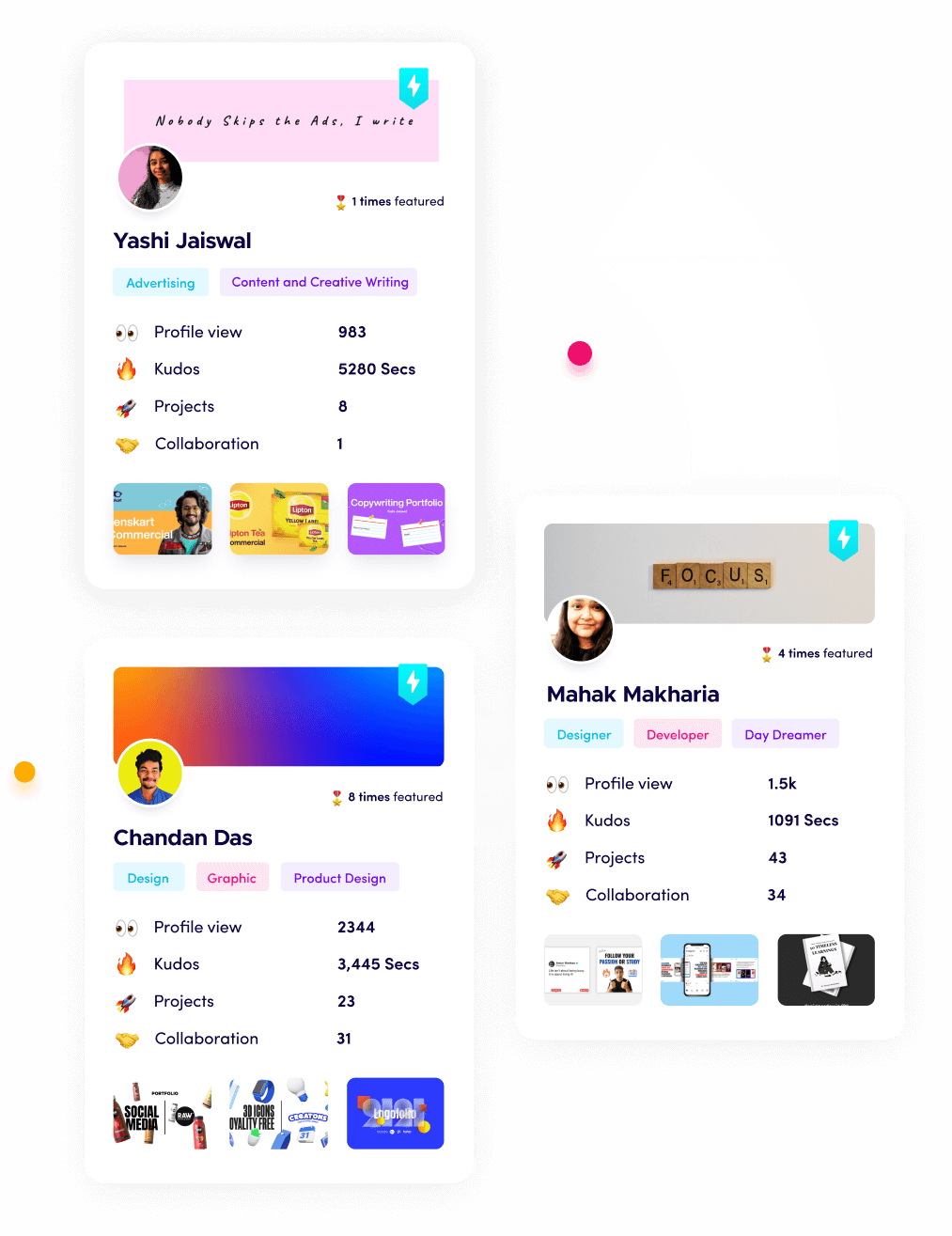
I’m Riten, founder of Fueler, a skills-first portfolio platform building the career infrastructure for 100 million creative professionals. Fueler connects talented individuals with companies through assignments, portfolios, and projects, not just resumes or CVs. Think of it as Dribbble/Behance for work samples combined with AngelList for hiring infrastructure.
In this article, I’ll walk you through how AI is transforming remote team management in 2027. But here's the truth: Even with the smartest tools, your output matters. Your portfolio isn’t just a bunch of projects; it’s your proof of value, your shortcut to trust, and your strongest currency in the hiring market.
Let’s dive deep into how AI is shaping the way we manage remote teams this year, from onboarding and communication to performance tracking and culture-building.
1. AI-Powered Onboarding: Personalized, Fast, and Scalable
The first few days of a remote employee decide how fast they’ll get productive. In 2027, AI has made onboarding fully automated, yet deeply personal.
AI systems now analyze a new hire’s past experience, job role, location, and learning speed to generate custom onboarding workflows. This includes:
Personalized training modules that adapt to the new hire's knowledge level
Automated task scheduling based on the company’s project calendar
AI-generated FAQs to reduce manager dependency
Real-time feedback collection through intelligent nudges
This not only saves time but increases engagement and clarity. No more day-one confusion. Remote teams now onboard with speed and structure.
2. Smart Task Management with Predictive AI
Keeping everyone aligned on tasks without micromanaging is one of the hardest parts of remote management. Predictive AI is changing that by knowing what needs to be done before it’s missed.
Today’s project management tools are powered by machine learning models that:
Predict potential delays based on team history
Auto-assign tasks based on bandwidth and past performance
Suggest deadline extensions before projects slip
Send proactive reminders without being annoying
Tools like ClickUp, Notion, and Asana now include AI layers that literally work like an assistant project manager, not just a tool.
This means managers spend less time chasing updates and more time making decisions.
3. AI-Based Performance Evaluation: Fair, Real-Time, and Transparent
Performance reviews in remote teams have always been messy. AI fixes that by removing guesswork.
Now, companies use AI to track productivity, collaboration, and even communication tone all in real time. Here’s how:
Sentiment analysis of Slack or Teams chats to measure engagement
Smart calendars that score focus time vs. meeting load
Project contribution tracking across GitHub, Figma, Notion, etc.
Real-time dashboards for both managers and employees
This makes performance feedback data-driven, not opinion-based. Employees know where they need to improve, and managers avoid bias.
And here’s where Fueler makes this even more impactful: By turning real project contributions into live portfolio proof, your AI-tracked work becomes your career currency. Whether you’re a designer or a backend developer, your Fueler portfolio shows the real value you bring.
4. AI in Communication: No More Misunderstandings
Communication is the backbone of remote work. In 2027, AI tools help make communication not just easier but clearer and context-aware.
With AI, you now get:
Auto-translated messages across time zones and native languages
Real-time meeting summaries with task extraction
Smart email assistants that adjust tone and clarity
Calendar syncs with time zone awareness
Tools like Zoom AI Companion, Slack GPT, and GrammarlyGO reduce friction between remote teams. You speak, AI refines and delivers the message with zero confusion.
And for global teams, this eliminates delays due to language barriers or unclear instructions.
5. AI-Driven Culture Building and Wellness Monitoring
Building culture in a remote team isn’t just about Friday games. It’s about how people feel on Monday morning.
AI tools now monitor emotional well-being and engagement patterns without invading privacy. They track:
Burnout signs through behavioral patterns
Drop in collaboration rates or social messages
Quiet quitting risk through reduced participation
Anonymous feedback trends to find team morale issues
AI doesn’t replace human empathy; it augments it. It gives managers early signals, so they can check in before it’s too late.
Some companies use AI-generated weekly wellness reports to support team bonding and improve mental health. Remote culture is now measurable and improvable.
6. AI in Time Zone Coordination and Workflow Automation
Time zones used to break remote teams. But AI makes global collaboration smooth and seamless now.
With the help of AI:
Workflows are assigned based on availability across time zones
Meetings are suggested only when there’s a true overlap
Hand-offs between teams are automatically managed and tracked
Calendar assistants suggest ideal collaboration slots
This reduces fatigue and wasted time. Everyone works when it suits them best, and nothing gets stuck due to delays in response.
AI doesn’t just manage the calendar; it manages the flow of work across borders.
7. AI-Powered Hiring and Team Formation
Finding the right people for the right project is now an AI-driven process.
In 2027, AI tools analyze:
Skill set compatibility with job requirements
Work sample relevance using deep learning models
Communication style and working preferences
Past project success rates and timeline adherence
Companies are now forming project-specific remote teams through assignment-based hiring, not resumes.
That’s exactly what we’re building at Fueler: a way for companies to discover talent by seeing how they actually solve problems, not just what they claim on a resume. AI plus a strong portfolio is the future of remote hiring.
Final Thoughts
Remote team management has evolved, and AI is no longer a bonus feature. It’s the backbone of how successful remote-first companies operate in 2027.
From onboarding to feedback, from communication to team building, AI is eliminating friction and enhancing productivity. But the human touch still matters; empathy, creativity, and trust are still the real glue that holds teams together.
As a founder building in this space, I can say one thing for sure: the companies that combine AI systems with human-first thinking and transparent portfolios will win this decade.
FAQs
1. What are the best AI tools for remote team management in 2027?
Tools like Notion AI, ClickUp, Slack GPT, Zoom AI Companion, and TimeDoctor AI are leading the market in remote team management. They cover task tracking, communication, wellness, and performance evaluation.
2. How does AI improve productivity in remote teams?
AI tracks work patterns, predicts delays, auto-assigns tasks, and gives personalized feedback. This helps remote workers stay aligned and improves focus without micromanagement.
3. Can AI help in hiring remote freelancers effectively?
Yes. AI can analyze work samples, past performance, and assignment results to match companies with top freelancers. Platforms like Fueler enable companies to hire based on proof of work, not just resumes.
4. Is AI-based employee monitoring ethical?
Modern AI tools focus on productivity metrics and anonymized wellness trends rather than surveillance. Ethical AI monitoring respects privacy while giving helpful feedback.
5. How can small companies adopt AI for remote team management?
Small businesses can start with affordable AI-powered tools like Slack GPT, Trello AI, and Loom AI for communication, task planning, and onboarding. These tools offer automation without requiring huge investment.
Why 150,000+ professionals use Fueler
Fueler helps professionals showcase proof of work through projects, assignments, case studies, and achievements.
Thousands of professionals use Fueler to create their digital portfolio
Thousands of projects are published on Fueler. Check here
Startups and Companies hire through proof of work on Fueler
Used by freelancers, creators, marketers, video editors, writers, designers, and product managers
Our mission is to help the next 100 million professionals build a verified professional identity through proof of work