
Last updated: November 2026
Are you a developer in Europe aiming to secure your dream job or freelance project in 2027? The tech market is more competitive than ever, and recruiters are looking for more than just a list of programming languages they want to see real, proven impact. Your digital portfolio is your most powerful tool for building trust, showcasing your journey, and opening doors to new opportunities across the continent.
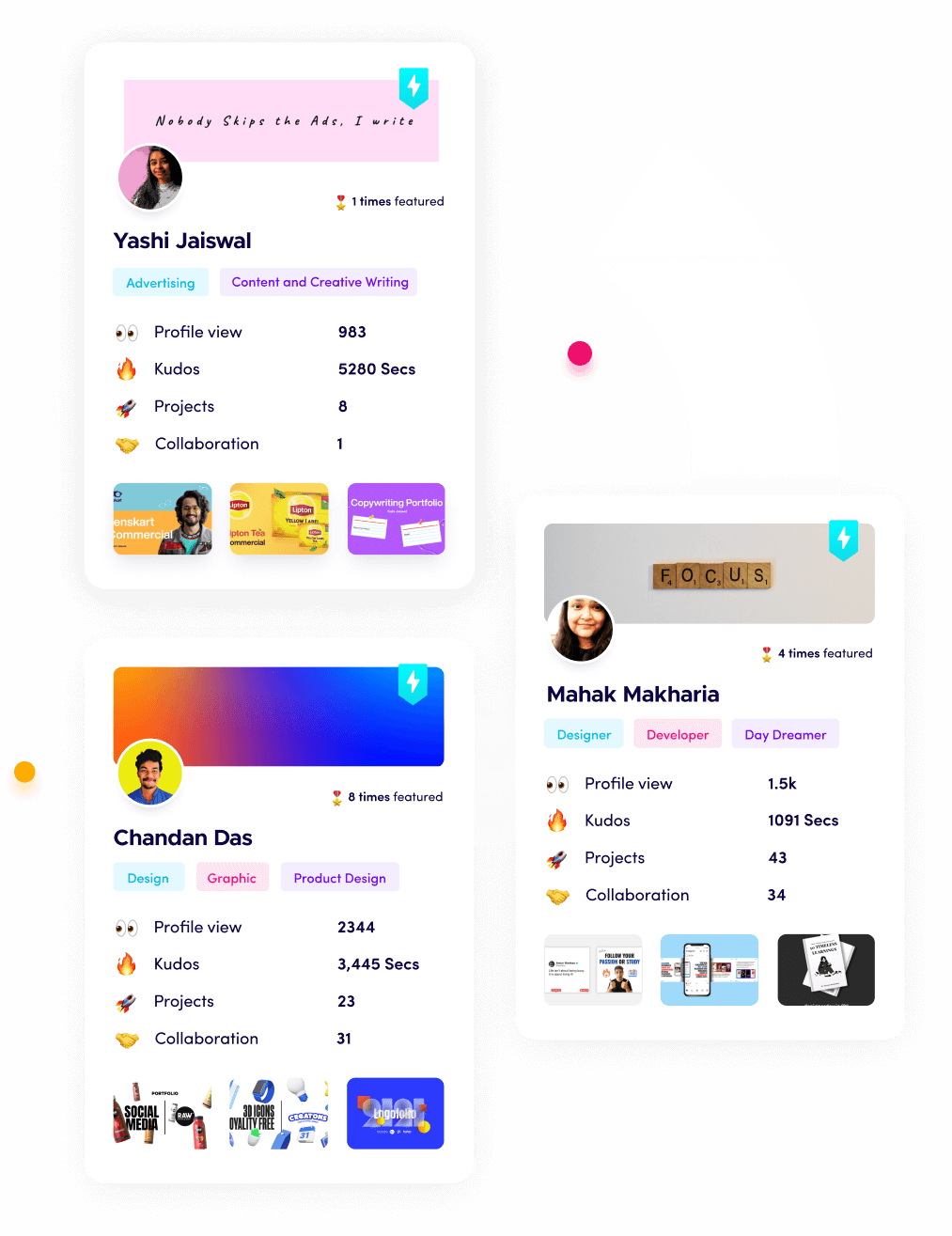
I’m Riten, founder of Fueler, a skills-first portfolio platform building the career infrastructure for 100 million creative professionals. Fueler connects talented individuals with companies through assignments, portfolios, and projects, not just resumes or CVs. Think of it as Dribbble/Behance for work samples combined with AngelList for hiring infrastructure.
In this article, I’ll guide you through the most effective strategies for building a digital portfolio as a European developer in 2027. Beyond mastering your tech stack, the real key is presenting your work with clarity and strategy. Your portfolio isn’t just a collection of projects; it’s your proof of skill, your credibility, and your shortcut to trust in the European tech job market.
Why a Digital Portfolio Is Essential for Developers in 2027
A digital portfolio is your online identity as a developer. It’s the first place recruiters and clients go to evaluate your technical skills, problem-solving approach, and growth over time. In 2027, almost every European tech company expects candidates to have a portfolio that goes beyond a simple GitHub repository. Your portfolio should be a living document that evolves with your career, reflecting your latest skills, achievements, and professional interests.
Demonstrates your expertise in coding, design, and project management with real examples
Showcases complete projects, not just isolated code snippets, giving context to your work
Highlights your ability to work in teams, communicate effectively, and lead initiatives
Makes you discoverable by recruiters searching for specific programming languages, frameworks, or industry experience
Why it matters: A strong portfolio is often the deciding factor for interviews and job offers in Europe’s fast-evolving tech scene. It’s your chance to show, not just tell, what you can do.
Key Elements of a Standout Developer Portfolio
A standout developer portfolio is clear, professional, and thoughtfully organized. It should present your best work, explain your process in detail, and make it easy for recruiters to contact you. Think of your portfolio as a personal product; every element should serve a purpose and add value.
Start with a short introduction about who you are, what you specialize in, and what makes you unique as a developer. Follow this with a carefully curated selection of your best projects. For each project, include a detailed case study that covers the project’s goals, your specific role, the technologies you used, the challenges you faced, and the results achieved. Don’t forget to include testimonials or endorsements from team members, clients, or mentors to add credibility. Finally, ensure your site is mobile-friendly, loads quickly, and is easy to navigate.
Curate 5–8 top projects that demonstrate your range and technical depth
Write detailed case studies for each project, covering objectives, your contributions, and outcomes
Add testimonials or endorsements from colleagues, clients, or mentors
Make your portfolio responsive and optimized for both desktop and mobile devices
Why it matters: A focused, well-structured portfolio allows recruiters to quickly understand your strengths and see how you can add value to their team or project.
Design Trends for Developer Portfolios in 2027
Developer portfolios in 2027 are embracing a blend of minimalism, interactivity, and storytelling. Recruiters want to see not only your technical skills but also your ability to create engaging and user-friendly digital experiences.
Modern portfolios use clean, minimalist layouts that prioritize readability and navigation. Interactive elements such as live code demos, sandboxes, and subtle animations can help recruiters experience your work firsthand. Visual variety is key: combine screenshots, video walkthroughs, and annotated code snippets to tell a complete story. Personal branding is also important: include a professional photo, a well-written About section, and clear contact information.
Minimalist layouts with intuitive navigation and ample white space
Interactive features like live project demos, code sandboxes, or animated transitions
Visual diversity: screenshots, videos, annotated code, and infographics
Strong personal branding with a clear About section and professional imagery
Why it matters: Following current design trends signals that you are up to date with the latest in user experience and design, which is crucial for developer roles where usability and aesthetics matter.
Show Real-World Impact, Not Just Code
Recruiters and clients want to know how your work has made a tangible difference. It’s not enough to show code you need to demonstrate the value your projects have delivered to users, businesses, or communities.
Focus on projects where you solved real problems, improved performance, or built something that was adopted by others. For each project, provide measurable results such as increased user engagement, improved load times, or successful product launches. Include open-source contributions or community projects, as these show your willingness to collaborate and give back. Use before-and-after comparisons, user testimonials, and clear explanations of your decision-making process.
Highlight projects with measurable outcomes (user growth, speed improvements, revenue impact)
Include open-source or community-driven projects to show collaboration
Provide before-and-after comparisons, user feedback, or testimonials
Explain your approach to problem-solving and the challenges you overcame
Why it matters: Demonstrating real-world impact proves to recruiters that you can deliver value, not just write code, making you a more attractive candidate.
Use Assignment-Based Platforms for Skill Validation
Assignment-based hiring is rapidly becoming the norm in Europe. Companies want to see how you perform on real tasks before making a hiring decision. Fueler is designed for this trend, allowing you to showcase assignments, gather feedback, and build a portfolio of verified work.
By completing assignments relevant to your target tech stack or industry, you can collect ratings and testimonials from employers or collaborators. Add these assignment outcomes as case studies in your portfolio, showing not only your technical skills but also your ability to deliver under real-world conditions. Fueler connects you directly with companies looking for assignment-validated talent, helping you stand out in a crowded job market.
Complete assignments that match your target roles or industries
Collect ratings, testimonials, and feedback from real employers
Add assignment results as detailed case studies in your portfolio
Use Fueler to connect with companies prioritizing assignment-based validation
Why it matters: Assignment-based validation gives you a competitive edge by proving your skills in real-world scenarios, making you a top pick for recruiters and hiring managers.
Optimize for Recruiter Discovery
Recruiters are constantly searching for talent on LinkedIn, GitHub, Fueler, and developer communities. Make sure your profiles are up to date, keyword-rich, and link directly to your portfolio.
Use relevant keywords in your profile headlines and project descriptions to match recruiter searches. Share your portfolio link across all professional profiles and in your email signature. Join European developer forums and tech communities to increase your visibility. Ask for endorsements or recommendations from past employers to boost your credibility.
Optimize your LinkedIn, GitHub, and Fueler profiles with targeted keywords
Share your portfolio link everywhere: profiles, forums, and email signatures
Join and engage in European developer communities and online groups
Request endorsements or testimonials from previous employers or collaborators
Why it matters: A strong, optimized online presence increases your visibility and makes it easier for recruiters to find and contact you for relevant opportunities.
Keep Your Portfolio Updated and Relevant
The tech industry evolves quickly, and so should your portfolio. Regularly update your portfolio with new projects, skills, and technologies to stay ahead of the curve.
Add recent work and remove outdated projects to keep your portfolio fresh. Update your skills section with new tools, frameworks, and programming languages you’ve mastered. Share your latest achievements, certifications, or awards, and refresh your portfolio’s design to reflect current trends. This ongoing maintenance signals to recruiters that you are active, engaged, and committed to professional growth.
Add new projects and remove outdated work every few months
Update your skills, certifications, and achievements regularly
Refresh your portfolio’s design to align with current trends
Share recent milestones, awards, or recognitions
Why it matters: An updated portfolio shows you are proactive, adaptable, and ready for the latest challenges in Europe’s fast-moving tech landscape.
Final Thought
Building a digital portfolio as a European developer in 2027 is about more than just displaying code. It’s about telling your story, proving your value, and making it easy for recruiters to trust you. Focus on real-world impact, validate your skills through assignment-based platforms like Fueler, and keep your portfolio up to date. With the right strategy, your portfolio will become your most powerful tool for landing the best jobs and projects across Europe.
FAQs
1. What are the must-have elements in a developer portfolio for Europe in 2027?
A clear introduction, 5–8 detailed project case studies, testimonials, a mobile-friendly design, and easy contact options are essential for success.
2. How many projects should I include in my developer portfolio?
Aim for 5–8 high-quality projects that showcase your technical range, problem-solving skills, and real-world impact.
3. Why is assignment-based validation important for developers?
Assignment-based validation proves your abilities in real scenarios, making you more attractive to recruiters and employers who want evidence, not just claims.
4. How often should I update my developer portfolio?
Update your portfolio every few months, or whenever you complete significant new projects or learn new technologies, to keep it relevant and impressive.
5. Which platforms help European developers get noticed by recruiters?
Fueler, LinkedIn, GitHub, and active participation in developer communities are top choices for increasing your visibility and attracting recruiter interest in 2027.
Why 150,000+ professionals use Fueler
Fueler helps professionals showcase proof of work through projects, assignments, case studies, and achievements.
Thousands of professionals use Fueler to create their digital portfolio
Thousands of projects are published on Fueler. Check here
Startups and Companies hire through proof of work on Fueler
Used by freelancers, creators, marketers, video editors, writers, designers, and product managers
Our mission is to help the next 100 million professionals build a verified professional identity through proof of work