Data-Driven SEO Strategies for US Ecommerce Brands in 2026

Riten Debnath
04 Dec, 2025
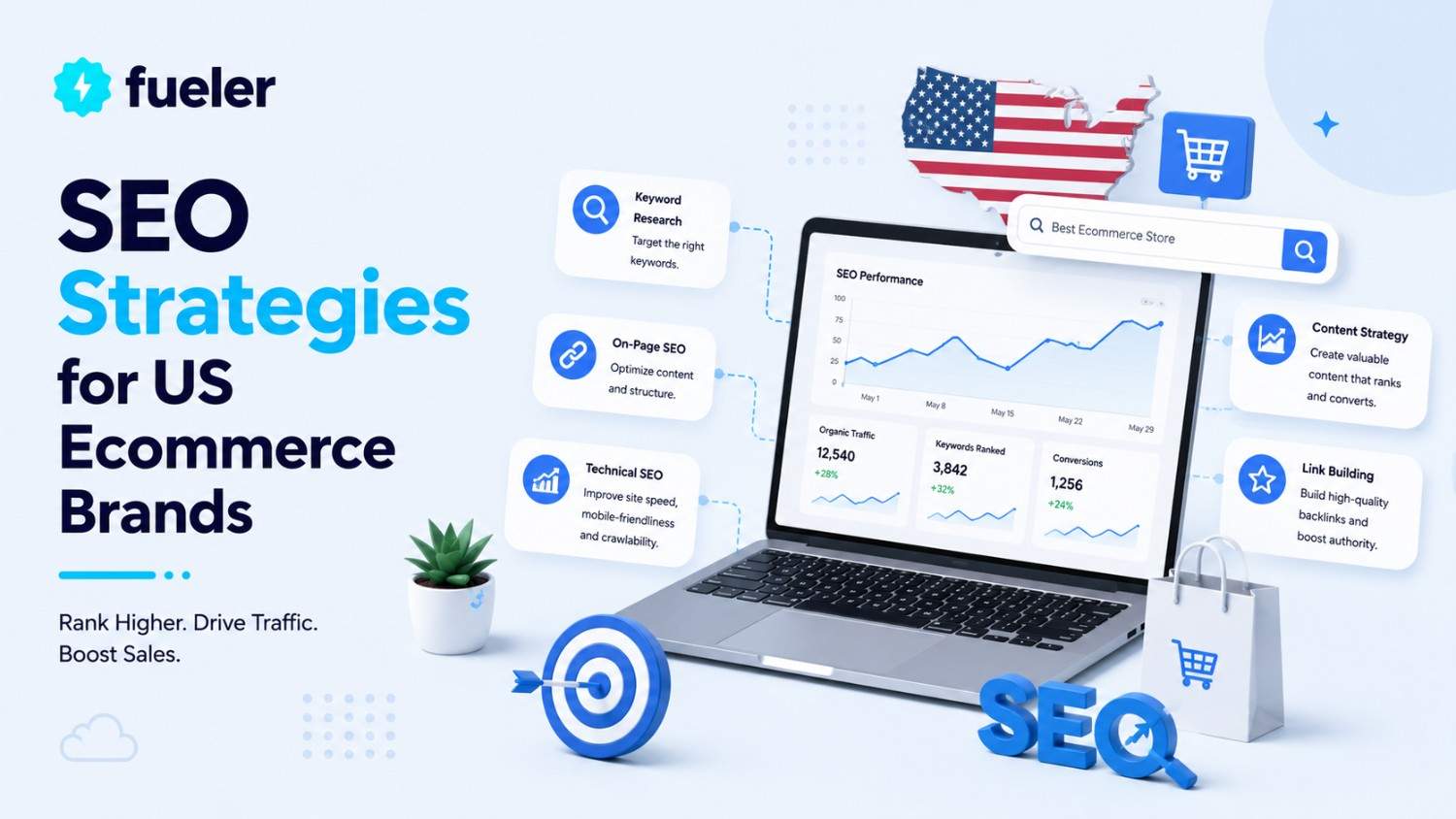
Unlock unbeatable growth with SEO powered by data, turn insights into action, and make every click count in 2026!
In today’s overcrowded ecommerce landscape, standing out requires more than just good products or flashy ads. It demands a razor-sharp, data-driven SEO strategy that reaches the customers who are ready to buy. For US ecommerce brands in 2026, relying on gut feelings or outdated tactics won't cut it. Instead, brands must harness rich pools of customer data, search behavior analytics, and competitive intelligence to tailor every SEO move precisely. This approach maximizes visibility, improves user engagement, and drives conversions by continuously aligning content and site performance with real-world signals and trends.
I’m Riten, founder of Fueler - a skills-first portfolio platform that connects talented individuals with companies through assignments, portfolios, and projects, not just resumes/CVs. Think Dribbble/Behance for work samples + AngelList for hiring infrastructure
Why Data-Driven SEO is the Backbone of Ecommerce Success in 2026
Data-driven SEO uses real, measurable insights from your site traffic, user engagement, keyword performance, and competitor activities to inform your entire search optimization plan. Instead of guessing, every strategy leverages actual patterns and trends that guide resource allocation and content creation with surgical precision.
- Identifying high-intent keywords with strong conversion potential allows you to target shoppers closer to making a purchase instead of those merely browsing.
- Deep dives into user behavior data help uncover friction points on your site, improving navigation, page load speed, and ultimately lowering bounce rates.
- Analyzing competitor SEO strategies reveals untapped content topics, backlink opportunities, and technical optimization gaps you can exploit.
- Real-time tracking of product page and category performance enables dynamic SEO adjustments based on marketing campaigns, inventory, and seasonal demand.
- Using modern AI-powered tools automates data analysis, detecting emerging keyword opportunities, content gaps, and even predicting future search trends.
Why it matters: Adopting data-driven SEO transforms your marketing from reactive intuition to proactive precision, significantly boosting search rankings and ecommerce revenue.
Advanced Data-Driven SEO Strategies for US Ecommerce Brands
1. Hyper-Targeted Keyword Research Anchored in Buyer Intent
Keyword research in 2026 demands granular understanding of what users truly want and their position in the buying journey. It’s about pairing volume with deep intent signals.
- Leverage AI-enhanced tools that organize keywords by intent informational, navigational, transactional so you can tailor content to meet users’ needs at each stage.
- Expand research to include long-tail phrases and voice search queries, which represent specific, purchase-ready customers searching more conversationally.
- Use search insights like “People also ask” and related questions to develop content that directly answers user queries, improving chances of featured snippets.
- Monitor keyword seasonality and trending topics with tools like Google Trends or proprietary ecommerce analytics so your site stays highly relevant throughout the year.
- Encourage brand-related searches through influencer partnerships and social media mentions to strengthen your footing in branded queries and domain authority.
Why it matters: Precision keyword targeting ensures your ecommerce site attracts and converts visitors who are highly likely to make a purchase, maximizing your SEO ROI.
2. Data-Backed Product Page Optimization for Maximum Conversion
Your product pages are where SEO meets sales. Infusing them with data insights and user experience optimizations transforms visits into revenue.
- Craft detailed, benefit-focused product descriptions using language drawn from customer reviews and search queries to answer the real questions shoppers have.
- Implement high-resolution images, 360-degree views, and demo videos to increase user engagement, lower bounce rates, and build buyer confidence.
- Conduct split testing on layouts, call-to-action placements, and purchase buttons based on heatmap and scroll analytics to find the designs that convert best.
- Use schema markup and rich snippets to improve search result visibility, showcasing prices, reviews, and availability directly in search engine results.
- Analyze page load times and mobile responsiveness closely, optimizing technical aspects since delays discourage buying and hurt SEO rankings.
Why it matters: Smart product page optimization driven by user data not only enhances your search rankings but also improves buyer experience and conversion rates.
3. Content Marketing Strategies Driven by Analytics and Trends
Content remains king, but data-driven content strategies give ecommerce brands an unmatchable edge by crafting pieces that speak to customer needs and search demand perfectly.
- Use detailed analytics to identify which topics, formats, and keywords have the highest engagement and conversion rates on your site and competitors'.
- Create pillar pages targeting broad themes with clusters of related high-intent long-tail content that address every angle customers search for.
- Implement real customer questions and pain points mined from customer service interactions and site comments into blog posts and FAQs, making your content genuinely useful.
- Leverage seasonal, cultural, or trend data to align content calendars with moments when search volume spikes for relevant products or interests.
- Measure and refine content impact regularly using engagement metrics and conversion tracking to keep improving effectiveness and ROI.
Why it matters: Data-informed content marketing keeps your brand relevant, authoritative, and highly visible to motivated buyers, driving sustained organic growth.
4. Technical SEO Enhanced with Real-Time Monitoring
Technical SEO site speed, structured data, mobile usability, crawlability is the foundation on which your data-driven strategies perform.
- Use tools like Google Search Console and Screaming Frog paired with AI monitoring systems to continuously identify and fix crawl errors, broken links, and indexation issues.
- Optimize server response times and leverage CDNs based on performance data to deliver ultra-fast experiences crucial for mobile-first users.
- Implement advanced structured data formats beyond basic product schemata, such as FAQ, HowTo, and review snippets, increasing the chances of rich results.
- Regularly audit site architecture and internal linking using heatmaps and click flow data that reveal user paths and potential dead ends.
- Monitor mobile usage trends and adapt your site for smaller screens with touch-friendly navigation, compressed images, and fast-loading elements.
Why it matters: Technical excellence grounded in data ensures your ecommerce site meets modern SEO standards, maximizing visibility, user satisfaction, and conversions.
5. Leveraging User-Generated Content and Reviews Analytics
User-generated content (UGC) enriches ecommerce sites with fresh, authentic insights that search engines and buyers trust, especially when guided by data analysis.
- Analyze review content to extract frequently mentioned keywords and sentiments, weaving these insights into product descriptions and FAQ sections.
- Encourage verified purchase reviews through timely automated email requests and incentivized programs monitored for effectiveness via response metrics.
- Use review analytics to identify common pain points or missing features, allowing you to improve offerings and address objections transparently in content.
- Display UGC prominently on product pages and social media feeds, tracked by engagement data to highlight the most persuasive content forms.
- Integrate community Q&A sections where users ask and answer questions, with analytics monitoring to moderate and surface the most helpful interactions.
Why it matters: Integrating UGC with data analytics enhances credibility, content freshness, and trust all vital factors boosting organic rankings and conversions.
6. Local SEO Focus with Geo-Targeting and Analytics
Even for ecommerce brands selling nationally, local SEO remains critical for capturing nearby buyers and serving location-specific content and offers.
- Use geo-targeted keyword research to optimize for queries including city or region names and localized product variations.
- Create content focused on local events, partnerships, and news supported by local keyword data and trends.
- Ensure accurate, consistent local business listings monitored by data tools to identify and fix discrepancies across directories.
- Implement location-aware personalization that dynamically adjusts content, pricing, and promotions based on visitor IP or device geolocation data.
- Analyze local search performance regularly using tools like Google My Business Insights and local rank trackers.
Why it matters: A robust data-driven local SEO strategy ensures ecommerce brands capture nearby demand efficiently, driving foot traffic, conversions, and regional brand loyalty.
7. Backlink Strategy Built on Competitor and Link Profile Data
High-quality backlinks remain essential for SEO authority, but modern strategies require detailed analysis of competitor link profiles and ongoing monitoring.
- Use backlink analysis tools like Ahrefs or SEMrush to identify authoritative websites linking to competitors but not your domain.
- Prioritize outreach and content creation targeting these high-value domains, emphasizing relevance and mutually beneficial relationships.
- Track your link profile continuously to identify and disavow toxic or spammy backlinks that could harm rankings.
- Develop link-worthy content assets such as research reports, infographics, or expert roundups based on trending topics, as identified by data insights.
- Employ partnership and influencer collaborations supported by data on audience overlap and engagement potential to amplify backlink quality.
Why it matters: Data-informed backlink building accelerates domain authority growth, a key driver of higher SERP rankings and sustained organic traffic increases.
8. Continuous SEO Performance Tracking and Agile Adjustments
SEO isn’t a set-it-and-forget-it tactic; it requires ongoing data monitoring and fine-tuning to stay ahead of competition and algorithm changes.
- Implement dashboards combining keyword rankings, organic traffic, bounce rates, and conversion data for comprehensive real-time monitoring.
- Analyze changes in search engine algorithms swiftly with tools that alert you to shifts impacting performance or ranking factors.
- Set up split tests on title tags, meta descriptions, and page content, measuring user behavior and engagement before rolling out major changes sitewide.
- Use predictive analytics models to simulate impacts of SEO changes and plan strategies proactively rather than reactively.
- Continuously gather user feedback and combine it with analytics to uncover nuanced improvement opportunities in UX and content relevance.
Why it matters: Agile SEO management backed by data equips ecommerce brands to respond quickly to market dynamics, ensuring long-term growth and search dominance.
How Fueler Helps You Showcase Your SEO Skills
Before concluding, it’s important to mention Fueler. As a platform designed for professionals, Fueler allows digital marketers and ecommerce experts to build vibrant portfolios showcasing real-world SEO projects, case studies, and analytics-driven campaigns. This practical demonstration of skills helps you stand out to employers and clients looking for proven expertise in data-driven SEO strategy far beyond just a resume.
Final Thoughts
In 2026, ecommerce success is inseparable from a robust, data-driven SEO approach. By combining deep customer insights, cutting-edge analytics tools, and continuous optimization, US ecommerce brands can craft smarter strategies that boost visibility, attract high-quality traffic, and drive sales. Embrace data as your most powerful asset to outsmart competition, meet shifting customer demands, and unlock lasting growth in digital markets.
FAQs
1. What are the most effective data-driven SEO tools for US ecommerce brands in 2026?
Top tools include Google Analytics 4, SEMrush, Ahrefs, Moz, and AI-powered platforms that offer deep keyword insights, competitor analysis, and real-time performance tracking.
2. How can ecommerce brands use customer behavior data to improve SEO?
Brands analyze user clicks, bounce rates, and session duration to optimize site structure, product pages, and content relevance, enhancing rankings and conversions.
3. What role does AI play in SEO strategy development?
AI helps automate keyword research, analyze large datasets to identify trends, generate optimized content suggestions, and predict algorithm changes for proactive strategy adjustments.
4. How important is local SEO for ecommerce brands selling nationally?
Very important; geo-targeting and localized content attract nearby buyers and improve regional search visibility, directly boosting sales and brand loyalty.
5. How often should ecommerce brands update their SEO strategies?
SEO strategies should be reviewed monthly with continuous monitoring, but major overhauls depend on performance data and algorithm updates, generally at least quarterly.
What is Fueler Portfolio?
Fueler is a career portfolio platform that helps companies find the best talent for their organization based on their proof of work. You can create your portfolio on Fueler, thousands of freelancers around the world use Fueler to create their professional-looking portfolios and become financially independent. Discover inspiration for your portfolio
Sign up for free on Fueler or get in touch to learn more.

What should you do next?
You've read the article. Now turn your skills into proof of work and unlock more opportunities.
Build your proof of work portfolio
Create a clean portfolio with projects, assignments, resumes, and AI stack details that companies actually want to see.
Create your Fueler portfolio →Apply through assignments, not resumes
Stand out by solving real tasks from companies hiring on Fueler.
Explore assignments →Get discovered by companies
Make your work public and let recruiters discover your skills through actual projects instead of keywords.
Get discovered →
