60+ Cybersecurity Statistics Businesses Should Know

Riten Debnath
10 May, 2026
Last updated: May 2026
By the time you finish reading this sentence, a cyberattack has likely already been launched. With the average cost of a data breach now spiraling into the millions, cybersecurity is no longer a 'tech issue', it’s the single greatest threat to a company’s bottom line.
I’m Riten, founder of Fueler, a skills-first portfolio platform that connects talented individuals with companies through assignments, portfolios, and projects, not just resumes/CVs. Think Dribbble/Behance for work samples + AngelList for hiring infrastructure.
I’ve pulled together the most recent, verified data for 2026 to show you exactly what we’re up against. This isn't just a list of numbers, it's a roadmap for where the threats are hiding and how the world’s most successful companies are staying one step ahead.
1. The Astronomical Financial Toll of Cybercrime in 2026
Cybercrime has officially become one of the largest "economies" in the world. For businesses, the cost of a breach is no longer just a "bad day" at the office; it's a significant hit to the bottom line that can take years to recover from.
- $10.5 Trillion Global Loss: Annual global losses from cybercrime are projected to hit $10.5 trillion by the end of 2026, a staggering figure that reflects the increasing scale of organized digital theft and infrastructure disruption.
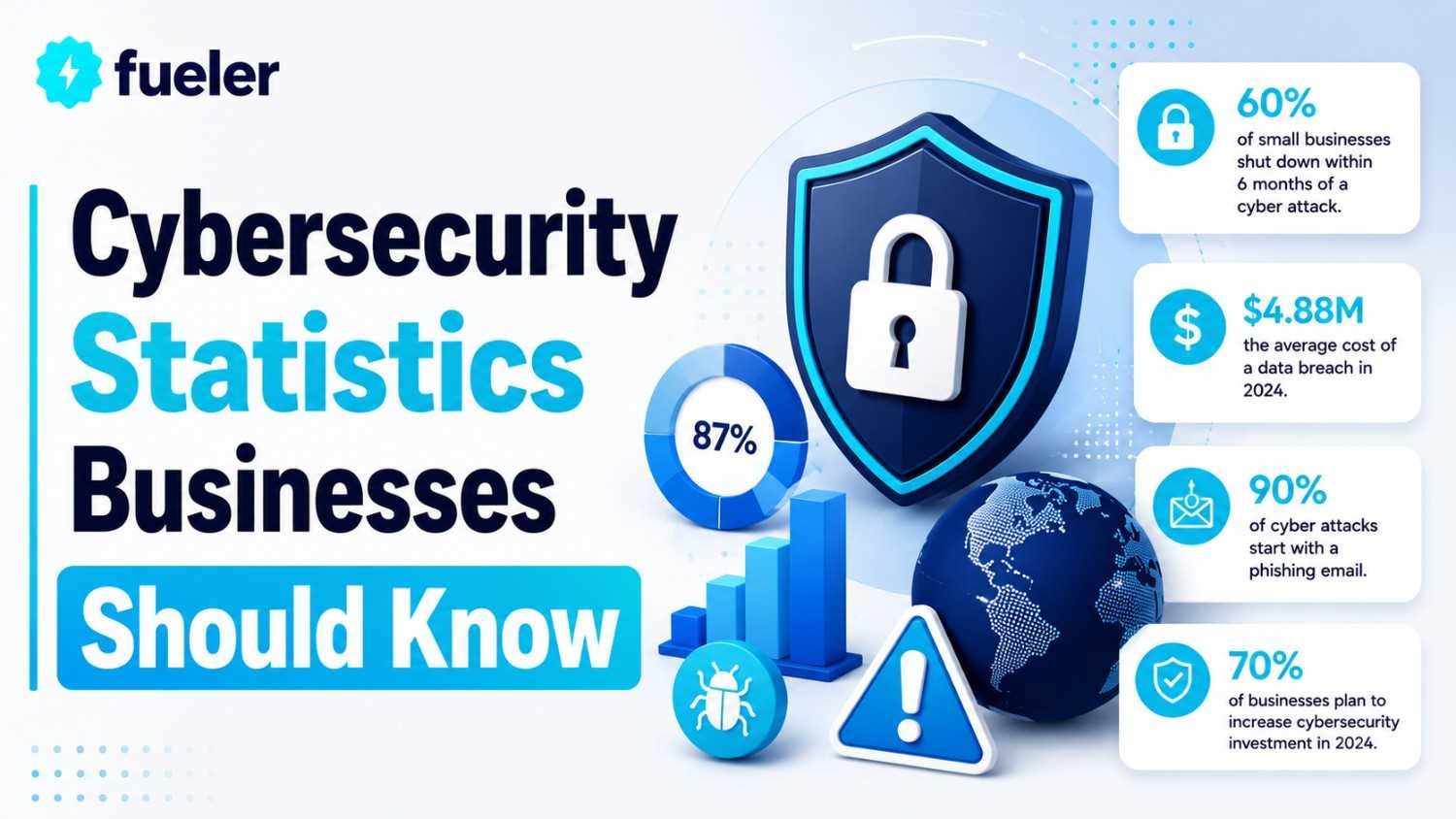
- $4.88 Million Average Breach: The global average cost of a single data breach reached $4.88 million in the most recent reporting cycle, marking a significant increase as attackers target higher-value sensitive information.
- $10.22 Million US Penalty: Businesses operating in the United States face the highest financial risks globally, with the average cost of a single data breach now soaring to $10.22 million per incident.
- $12.6 Million Healthcare Crisis: Healthcare continues to be the most expensive sector for breaches, with costs averaging $12.6 million per incident due to critical downtime and life-safety implications of data loss.
- 12.5% Spending Hike: To keep up with these threats, global cybersecurity spending is expected to surge by 12.5% this year, as enterprises shift their budgets toward active threat hunting and automated response.
- $200 Million Revenue Hit: Large-scale infrastructure attacks are becoming catastrophic; major manufacturing and semiconductor firms have reported one-time revenue losses exceeding $200 million following single, well-coordinated ransomware events that halted production.
- $375 Million Mega-Breaches: The cost of "mega-breaches," those involving over 50 million records, has reached an average of $375 million, showing that the scale of data theft directly dictates the level of financial ruin.
- 51% First-Year Impact: Roughly 51% of all breach-related costs are incurred within the first year of the incident, meaning businesses must have massive liquid reserves to survive the immediate legal and operational fallout.
2. The New Face of Phishing and Social Engineering
Phishing has evolved. We’ve moved past the era of obvious typos into "Agentic Phishing," where automated systems conduct deep research on your employees before ever sending a message, making them nearly impossible to spot.
- 42% of Global Breaches: Phishing remains the single most common entry point for hackers, accounting for 42% of all successful global breaches recorded in the first half of 2026.
- 1,265% Volume Increase: Since the widespread adoption of advanced language tools, the total volume of phishing attempts has grown by 1,265% as attackers use automation to scale their efforts.
- 82.6% AI-Assisted Share: Security researchers estimate that 82.6% of all phishing emails are now created using automated systems to ensure perfect grammar, tone, and professional formatting that bypasses traditional filters.
- 54% Higher Click Rates: Hyper-personalized phishing lures, tailored to a specific employee's role or recent activity, have seen click-through rates increase by 54% compared to generic "spray and pray" spam campaigns.
- $25 Billion Annual Loss: Global losses specifically tied to phishing and business email compromise (BEC) are forecasted to exceed $25 billion this year as social engineering becomes more sophisticated.
- 70% Mobile Smishing Risk: Approximately 70% of all mobile-based phishing attacks now occur through SMS (smishing), where users are statistically three times more likely to click a link than in an email.
- 400% QR Code Surge: "Quishing" or QR code phishing attacks increased by 400% over the last two years, targeting unsuspecting employees in cafeterias, transit hubs, and even via physical mail.
- 47% LinkedIn Targeting: Among social media platforms used for professional recon, LinkedIn remains the top target, accounting for 47% of social engineering attempts aimed at stealing corporate login credentials.
3. Ransomware: From Data Encryption to Data Theft
The ransomware playbook has changed. While they used to just lock your files, modern "extortionists" now steal your data first. If you don't pay, they leak it. It’s a double-threat that makes traditional backups less effective as a solo defense.
- 40% Victim Increase: The number of ransomware victims publicly named on leak sites is expected to rise by 40% by the end of 2026, reaching over 7,000 unique organizations.
- 15% Year-on-Year Growth: Despite better defenses, ransomware activity remained structurally elevated in early 2026, with a 15% increase in total reported incidents compared to the previous calendar year.
- $3.2 Million Average Demand: The average ransom demand has climbed to $3.2 million, though organizations using Zero Trust frameworks typically negotiate these payments down by 41% or avoid them entirely.
- 54% Extortion Jump: Ransomware cases involving pure extortion stealing data without necessarily encrypting the system increased by 54% in the last year as attackers prioritize stealth over disruption.
- 3.2x Less Likely to Pay: Companies that have fully implemented Zero Trust architectures are 3.2 times less likely to pay a ransom because their data is segmented and harder to exploit.
- 6.2 Day Dwell Time: In highly secure environments, the "dwell time" (how long an attacker sits in your system) has dropped to 6.2 days, down from 18 days just two years ago.
- 19% Government Targeting: The public sector is the hardest hit, with government and administrative systems accounting for 19% of all global ransomware incidents in the current cycle.
- 78% of All Companies: Roughly 78% of companies globally reported experiencing at least one ransomware-related incident in the past 12 months, making it a "when," not "if" scenario.
4. The Complex Reality of Cloud Security
As businesses migrate everything to the cloud, the "perimeter" has disappeared. Most cloud breaches aren't caused by a failure of the provider, but by simple human errors like misconfigured settings or weak access keys.
- 200 Zettabytes of Data: By the end of 2026, over 200 zettabytes of data will be stored in the cloud, creating a massive, centralized target for sophisticated threat actors.
- 45% of All Breaches: Roughly 45% of all recorded data breaches now occur within cloud environments, reflecting the shift of high-value corporate assets away from on-premise servers.
- 95% Human Error Rate: A staggering 95% of cloud security failures still stem from misconfigurations and manual errors by internal staff rather than flaws in the cloud platform itself.
- 31% Misconfiguration Share: Over 31% of successful cloud breaches are directly attributed to simple misconfigurations, such as leaving a database open to the public internet.
- 32% Idle Infrastructure: Nearly one-third (32%) of cloud infrastructure sits idle and untracked, with each of these "ghost" assets carrying an average of 115 unpatched vulnerabilities.
- 276 Days to Contain: Breaches that span multiple cloud environments take an average of 276 days to identify and contain, significantly longer than traditional on-premise attacks.
- 77% Identity Risk: For 77% of organizations, identity and access management (IAM) is cited as the single greatest risk to their cloud-native applications and data.
- 83% Breach Frequency: More than 80% of companies have experienced at least one cloud security incident in the past year, indicating that cloud exposure is now a routine business risk.
5. The Workforce Crisis: 4.8 Million Empty Desks
We have a major problem: there aren't enough people to man the walls. The cybersecurity talent gap is widening, leaving existing teams burnt out and forcing companies to rely more on automation to fill the holes.
- 4.8 Million Unfilled Roles: The global cybersecurity workforce gap has reached 4.8 million professionals in 2026, a crisis that threatens the digital safety of entire industries.
- 90% Skills Shortage: Even when teams are fully staffed, 90% of organizations report significant skills gaps, particularly in specialized areas like cloud forensics and AI-driven defense.
- 0.1% Workforce Growth: Despite high demand and high salaries, the global cybersecurity workforce grew by only 0.1% last year, failing to keep pace with the explosion of new threats.
- 15% Confidence Level: Only 15% of firms worldwide expect to see significant growth in their internal cyber skills by the end of the year, according to World Economic Forum data.
- 23% Public Sector Gap: Public sector organizations are struggling the most, with 23% reporting that their cyber-resilience capabilities are currently insufficient to handle a major attack.
- 69% Tool Sprawl Issues: Nearly 70% of professionals report that "tool sprawl"having too many different security programs is actually making them less effective at their jobs.
- 30-50% Regional Supply Gap: In high-growth regions like Asia-Pacific, the gap for specialized roles like "Cloud Security Architect" is as high as 50%, leading to aggressive poaching of talent.
- 5.8 Remote Days: The average cybersecurity pro now takes 5.8 remote days per month, and companies that don't offer this flexibility are seeing a 30% higher turnover rate in their security teams.
6. Zero Trust: From Buzzword to Business Standard
Zero Trust is no longer just a fancy marketing term; it’s the standard operating procedure. The "trust but verify" model has been replaced by "never trust, always verify," and the data shows it works.
- 72% Adoption Rate: As of 2026, 72% of global enterprises have either fully adopted or are actively implementing a Zero Trust framework, a 12% jump from just two years ago.
- 86% Large Enterprise Use: Among large corporations (1,000+ employees), Zero Trust adoption has reached 86%, as these firms move to protect complex, global networks.
- 89% MFA Enforcement: Multi-Factor Authentication (MFA) is now a baseline requirement, with 89% of enterprises enforcing it for every single user on their network.
- 47% Phishing Reduction: Organizations that have matured their Zero Trust implementation report a 47% reduction in successful phishing attacks reaching their employees.
- 71% Less Exfiltration: A solid Zero Trust model reduces the likelihood of sensitive data being stolen (exfiltration) by 71% compared to traditional perimeter-based security.
- 41% Passwordless Shift: 41% of organizations have officially moved toward "passwordless" authentication, using biometrics and FIDO2 keys to eliminate the risk of stolen passwords.
- 76% PAM Usage: 76% of enterprises now use Privileged Access Management (PAM) tools to strictly control and monitor what their IT administrators can do.
- $49.4 Billion Market: The global market for Zero Trust security solutions is projected to reach $49.4 billion this year, reflecting the massive shift in how we build networks.
7. The Rising Stakes of Cyber Insurance
Getting insured for a cyberattack is getting harder and more expensive. Insurers are no longer handing out policies to anyone with a laptop; they now demand proof of high-level security controls before they’ll sign a contract.
- $33.4 Billion Market Size: The global cyber insurance market is expected to reach $33.4 billion in 2026 as boards of directors start treating cyber risk as a primary financial liability.
- 15-20% Premium Hike: Most firms can expect their insurance premiums to rise by up to 20% this year, driven by the increasing frequency and severity of ransomware claims.
- 40% Claim Denial Rate: Over 40% of cyber insurance claims are currently being denied because businesses failed to maintain the security controls (like MFA) promised in their applications.
- 82% MFA-Related Denials: Of the claims that are denied, a massive 82% are rejected because the company did not have Multi-Factor Authentication active on critical systems at the time of the breach.
- 80% Premium Credits: Conversely, 80% of companies that can prove they use automated, AI-powered defenses are now receiving premium credits or significant rate reductions.
- 10-20% SME Coverage: While large firms are 75% covered, only 10-20% of small businesses (SMEs) currently have a dedicated cyber insurance policy, leaving them highly vulnerable.
- $1 Million Limit Cap: For most small businesses, the standard insurance policy now caps out at a $1 million limit, which often isn't enough to cover the total cost of a modern breach.
- 35% BFSI Dominance: The Banking, Financial Services, and Insurance (BFSI) sector currently holds 35% of the total cyber insurance market share, as they face the strictest regulatory penalties.
8. Supply Chain Vulnerabilities and Third-Party Risk
You are only as secure as your weakest vendor. In 2026, attackers are increasingly ignoring the front door of major corporations and instead sneaking in through the "back door" of a smaller, less-secure supplier.
- 134 Clients Compromised: A single breach at a major service provider can expose hundreds of clients instantly, as seen in recent high-profile supply chain attacks that wiped billions off market values.
- 15% Increase in Third-Party Hits: Attacks targeting the software supply chain have increased by 15% this year, as hackers look for "force multiplier" opportunities.
- 64% Geopolitical Influence: 64% of organizations now explicitly account for geopolitically motivated supply chain attacks in their annual risk mitigation strategies.
- 55% Lower Likelihood: Companies that perform monthly audits of their vendors' security postures are 55% less likely to be caught in a multi-party data breach.
- 43% of Attacks Hit SMBs: Small businesses now account for 43% of all cyberattacks, often because they are seen as an easy "stepping stone" to larger corporate partners.
- $25,000 Average SME Loss: While $25k might seem small to a giant, it is the average loss for a small business per attacker figure that often leads to permanent closure for 60% of small firms.
- 70% Engagement Increase: Following a breach, hospitals and clinics are forced to spend 64% more on advertising for two years just to regain the trust of their local community.
- 11% National Confidence: Global confidence in national ability to protect critical infrastructure is low, with only 11-13% of leaders in some regions feeling "very confident" in government support.
Final Thoughts:
The data for 2026 makes one thing very clear: the "human element" is the new perimeter. Whether it's a misconfigured cloud bucket, a clicked phishing link, or a talent gap in the IT office, our biggest vulnerabilities are no longer just software bugs they are operational and behavioral. Stay sharp, verify everything, and don't let your business become just another statistic in next year's report.
Frequently Asked Questions (FAQs)
1. What is the biggest cybersecurity threat to businesses in 2026?
The biggest threat is "Agentic Phishing" and social engineering. While ransomware gets the headlines, most attacks start with an automated, highly personalized email or message that tricks an employee into giving up their credentials. Once a hacker has a valid login, they can bypass most traditional security measures.
2. Is cyber insurance still worth the cost?
Yes, but only if you have the right controls in place. With the average cost of a breach hitting $4.88 million, an insurance payout can be the difference between staying in business or going bankrupt. However, you must ensure your MFA and data backup policies are strictly followed, or the insurer may deny your claim.
3. How does Zero Trust actually save money?
Zero Trust saves money by "limiting the blast radius." In a traditional network, once a hacker is in, they can go anywhere. In a Zero Trust model, they are locked in one small room. This reduces the amount of data stolen and the time it takes to clean up, which the data shows reduces breach costs by over 40%.
4. Why are healthcare and finance targeted more than other sectors?
These sectors hold "high-utility" data. A credit card number can be canceled, but your medical history or Social Security number is permanent. This makes the data more valuable on the dark web and makes the companies more likely to pay a ransom to prevent the data from being leaked.
5. Can small businesses protect themselves without a huge IT budget?
Absolutely. The most effective defenses, like enforcing Multi-Factor Authentication (MFA), regular software updates, and basic employee training, are relatively inexpensive. Most breaches happen because of "low-hanging fruit" mistakes, so covering the basics can block a huge percentage of common attacks.
What should you do next?
You've read the article. Now turn your skills into proof of work and unlock more opportunities.
Build your proof of work portfolio
Create a clean portfolio with projects, assignments, resumes, and AI stack details that companies actually want to see.
Create your Fueler portfolio →Apply through assignments, not resumes
Stand out by solving real tasks from companies hiring on Fueler.
Explore assignments →Get discovered by companies
Make your work public and let recruiters discover your skills through actual projects instead of keywords.
Get discovered →
