7 Best Corporate Finance Tools for European Startups

Riten Debnath
29 Jun, 2026
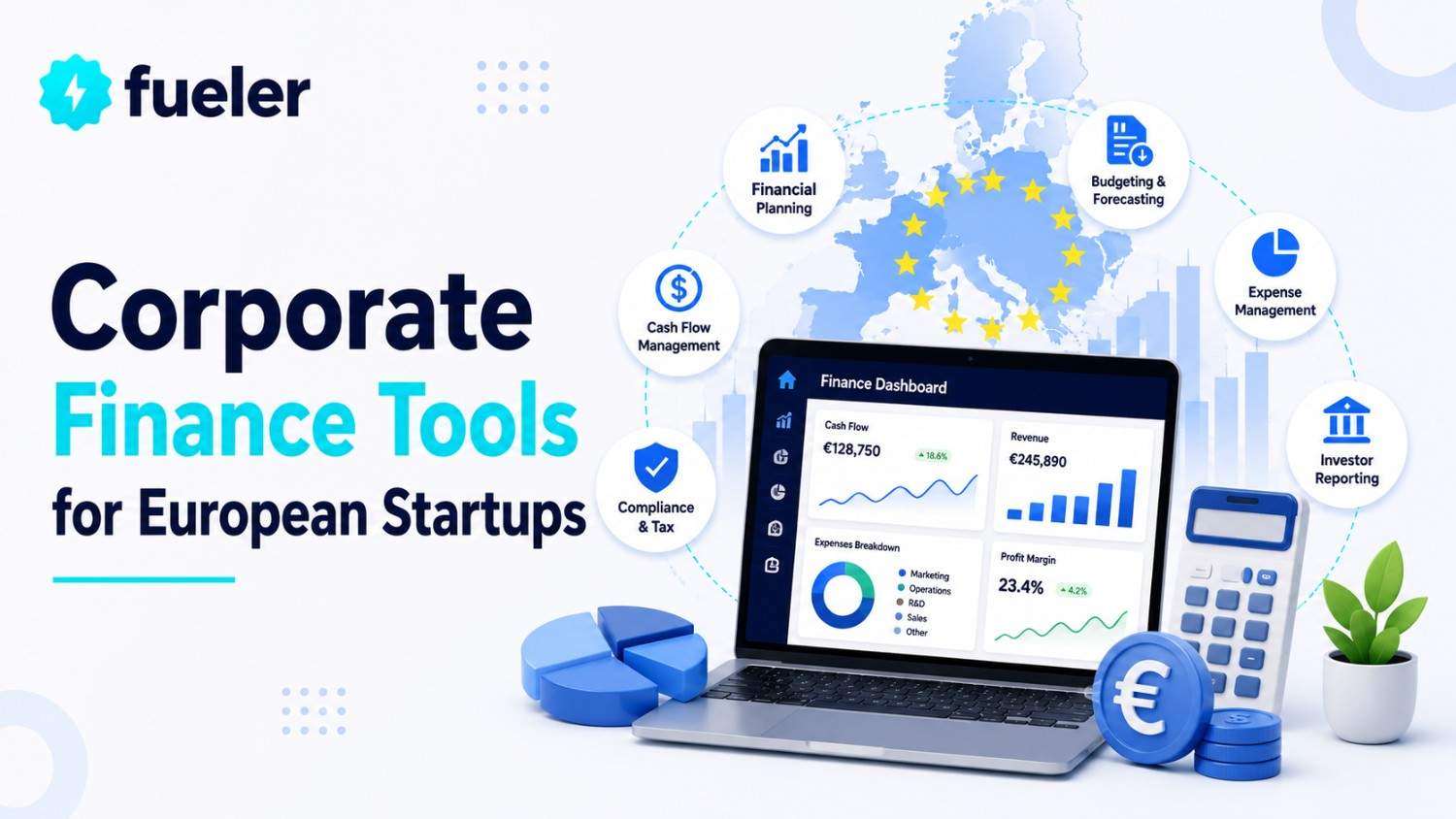
Last updated: June 2026
Fragmented banking systems across the Eurozone are an administrative trap for scaling startups. Navigating varying local tax mandates, disparate SEPA networks, and multi-currency transaction trails manually turns treasury management into an operational bottleneck. In 2026, relying on siloed spreadsheets or traditional legacy corporate banks is a major obstacle to execution velocity.
I’m Riten, founder of Fueler, a skills-first portfolio platform that connects talented individuals with companies through assignments, portfolios, and projects, not just resumes/CVs. Think Dribbble/Behance for work samples + AngelList for hiring infrastructure.
Selecting corporate financial infrastructure in 2026 demands native SEPA processing, localized VAT collection mechanisms, and predictive multi-bank data synchronization. Modern platforms integrate cash orchestration workflows with modular controls to handle shifting regional compliance policies automatically.
Here are the 7 best corporate finance tools for European startups in 2026.
At a glance: Comparing the Best Corporate Finance Tools for European Startups
Spendesk
Best For: Mid-market Eurozone businesses requiring granular VAT control, automated pre-spend approval workflows, and centralized employee expense coordination.
Spendesk is an established market leader in the European spend management ecosystem, designed to unite corporate cards, invoice processing, and expense tracking. The architecture streamlines data collection by automatically separating regional VAT rates at the exact point of transaction. This prevents end-of-month accounting delays and simplifies cross-border commercial expense tracking.
The software functions natively across multiple currencies, pulling statement rows directly into central bookkeeping records. It handles typical European compliance protocols with minimal setup friction, making it a reliable choice for distributed regional operations. The interface minimizes manual reconciliation work, allowing internal accounting teams to maintain a continuous, audit-ready operational ledger.
- Autonomous VAT Capture: The core transaction engine instantly reads uploaded invoice documents or mobile receipt captures to isolate specific European VAT configurations. It verifies receipt validity in real time, flags missing sub-records, and pre-allocates local tax categories before the period closes.
- Granular Spending Safeguards: Finance teams can establish custom approval trees and physical card parameters down to specific individual user levels. This approach allows managers to control recurring software subscriptions, travel allowances, and daily operational budgets dynamically.
- Unified Invoice Automation: The centralized processing center ingests incoming supplier bills, matches line items against purchase orders, and initiates SEPA payments. This setup minimizes data discrepancies and speeds up vendor payment cycles across different European entities.
- Native Accounting Ecosystem: The database syncs information directly with standard European software suites like DATEV, Xero, Pennylane, and Sage. This feature eliminates manual file exports and saves teams dozens of hours of repetitive ledger typing every month.
- Comprehensive Reclaim Audit Trails: The reporting dashboard compiles historical transactions into clear, tamper-proof audit histories optimized for European tax authority evaluations. This transparency accelerates annual compliance verifications and lowers structural administrative penalty risks.
Pricing: * Essentials Plan: Approximately $250 per month (Covers smart corporate physical cards, standard invoice processing, and direct accounting synchronization).
- Scale Plan: Approximately $750 per month (Adds advanced multi-conditional purchase order structures, custom budgets, and global travel integrations).
- Premium Plan: Approximately $1,870 per month (Unlocks native NetSuite ERP synchronization, multi-entity account management, and single sign-on access controls).
Why It Matters in 2026: Spendesk eliminates the friction of managing cross-border employee expenditures while keeping companies aligned with strict local tax rules. It changes bookkeeping from a reactive historical process into an active management resource. This real-time oversight allows founders to make confident resource allocations without waiting for traditional delayed monthly reporting.
Payhawk
Best For: Fast-growing multi-entity startups looking for unified global cards, comprehensive accounts payable automation, and direct enterprise ERP integrations.
Payhawk is an institutional-grade financial orchestration platform designed for companies navigating rapid international growth. Combining global payment rails with automated spend management, it allows startups to manage multiple corporate structures from a single dashboard. The platform reduces international transaction friction by supporting credit lines and local IBAN allocations in major currencies.
The infrastructure streamlines financial management by automating invoice coding and multi-step approval routing through dedicated operational rules. It addresses complex global processing needs, minimizing banking fragmentation for businesses operating across separate jurisdictions. This focus on connectivity makes it highly effective for startups scaling their operational footprints.
- Global Currency Orchestration: The account architecture provides dedicated local bank details and IBAN networks across EUR, GBP, USD, CHF, DKK, and PLN. This setup lets international startups manage global revenue streams and pay cross-border vendors without facing high exchange fees.
- Proactive Expense Control: Corporate debit and credit cards feature programmable settings that can block off-policy purchases before they happen. Controllers can set rules for specific merchant types, geographical regions, and transaction amounts across the entire organization.
- Intelligent Document Coding: The extraction system reviews receipts and supplier invoices in over 65 languages to populate accounting fields automatically. It handles complex multi-page financial bills, minimizing manual data-entry errors for internal bookkeeping teams.
- Native ERP Synchronization: The platform maintains real-time, two-way data connections with advanced enterprise software, including NetSuite, Microsoft Dynamics 365, and SAP. This synchronization keeps transaction data consistent across all systems without relying on manual uploads.
- Integrated Travel Modules: The built-in travel system allows employees to book flights and hotels directly within company policy guidelines. The platform processes reservations instantly and generates VAT-ready invoices, eliminating out-of-pocket tracking updates.
Pricing: * Payhawk operates on custom modular pricing tailored to specific transaction volumes, entity quantities, and chosen integration packages. Typical mid-market deployments range from $400 to $1,500 per month, depending on whether a startup implements cards, accounts payable, or multi-entity management.
Why It Matters in 2026: Payhawk gives growing businesses the advanced controls typically restricted to older enterprise systems. It helps scaling finance teams run efficient distributed operations without adding massive administrative overhead. This connectivity ensures company leaders retain clear visibility over total international cash positions at all times.
Moss
Best For: Tech startups across Germany, the Netherlands, and the UK seeking high-limit corporate credit cards and automated accounting workflows.
Moss is a highly responsive corporate credit and spend management platform designed to replace restrictive traditional banking cards. The system evaluates a startup's venture capital funding and asset data to offer high credit limits that scale with the business. It simplifies financial workflows by combining card access with automated receipt collection.
The platform provides a clear overview of company-wide software subscriptions, marketing spend, and operational travel expenses. It helps finance teams control budgets and reduce time spent on administrative tasks. The clean interface allows employees to handle expenses quickly while keeping corporate records accurate.
- Flexible Corporate Credit: The platform offers real-time credit lines based on live financial metrics rather than historical asset statements. This approach provides scaling startups with the liquid capital required to manage high-volume customer acquisition campaigns smoothly.
- Subscription Management Pools: Finance teams can issue dedicated virtual cards for recurring software tools to monitor ongoing software spend. This tracking prevents unapproved contract renewals and allows managers to cancel inactive software tools instantly.
- Automated Receipt Ingestion: The mobile application matches physical receipts with corresponding card transactions immediately after a purchase. The software sends automated reminders via Slack or email for missing documents, helping teams close monthly books faster.
- Direct DATEV Integration: The system features optimized exports for specialized European accounting networks, including the DATEV export format. This native data flow lets external tax advisors audit and process corporate expenses without manual formatting.
- Dynamic Budget Tracking: The core dashboard connects operational spending with predefined departmental budgets in real time. This visibility allows managers to track real-time variance and adjust team spending before overages impact company margins.
Pricing: * Standard Platform Fee: Starting at approximately $120 per month (Includes basic virtual card issuance, standard receipt matching, and main accounting exports).
- Custom Enterprise Tier: Custom pricing based on specific multi-entity configurations, customized credit limits, and specialized ERP data integrations.
Why It Matters in 2026: Moss gives tech companies access to predictable, high-limit credit lines without the long approval times of traditional banks. It turns company spend management from a source of friction into an organized background process. This automation allows founders to deploy capital efficiently while keeping records clean for future fundraising rounds.
Pennylane
Best For: French and European startups wanting a single financial ledger that connects company operations directly with external accountants.
Pennylane is an all-in-one financial management platform that serves as both an operational tool and an official accounting system. It connects data from bank accounts, sales invoices, and supplier bills into a unified real-time dashboard. This shared workspace lets founders and external accountants collaborate without moving files back and forth.
The platform includes robust invoicing and expense tracking features, helping startups monitor cash flow easily. By centralizing core financial data, Pennylane helps teams avoid data silos and reduces manual checking errors. It offers a solid foundation for early-stage companies setting up compliant financial workflows.
- Unified Financial Workspace: The architecture provides a shared ledger where founders and accounting professionals collaborate on the same data. This direct access removes the need to export monthly files and simplifies ongoing compliance updates.
- Automated Cash Reconciliations: The platform links with European bank networks via open banking APIs to match cash movements automatically. It pairs incoming client payments and supplier costs with corresponding source documents to keep balances accurate.
- Integrated Invoicing Engine: Startups can create and send professional recurring invoices directly from the central financial environment. The engine tracks client payment statuses and updates cash charts as soon as funds clear the bank.
- Central Supplier Hub: The software aggregates incoming vendor bills through email forwarding, drag-and-drop uploads, and direct integrations. This repository helps teams schedule SEPA transfers and manage upcoming liabilities from a single screen.
- Real-Time Margin Insights: The reporting view tracks key business metrics like gross margin and burn rate automatically. These charts give founders clear visibility into company financial health without requiring manual report building.
Pricing: * Basic Workspace Plan: Starting around $49 per month (Includes essential bank feeds, invoicing features, and basic receipt logging).
- Pro Automation Plan: Around $149 per month (Adds multi-currency support, advanced supplier payment tools, and deeper reporting options).
- Enterprise Scale Plan: Custom pricing based on transaction volumes, multiple corporate entities, and dedicated support requirements.
Why It Matters in 2026: Pennylane removes the communication gaps that often exist between startups and their external accounting partners. It ensures company leadership makes strategic decisions using current financial data rather than weeks-old reports. This clear visibility helps young companies manage cash securely through every stage of growth.
Agicap
Best For: Capital-intensive startups and multi-entity operations needing automated cash flow forecasting and multi-bank cash management.
Agicap is an advanced financial forecasting platform built to give leadership teams clear visibility into future cash positions. By connecting directly with corporate bank accounts, ERP tools, and billing software, it replaces manual spreadsheet-based cash models. The platform helps teams build reliable liquidity forecasts using real operational data.
The software excels at tracking cash movements across different business units, locations, and currencies. It lets finance leaders run complex what-if scenarios to analyze the impact of hiring plans or major investment choices. This predictive focus makes it a key tool for managing runway in changing market conditions.
- Multi-Bank Data Aggregation: The software links securely with over 3,000 corporate financial institutions to update cash balances automatically. This central view helps finance teams track total liquidity across separate entities without logging into multiple bank portals.
- Predictive Liquidity Modeling: The calculation engine analyzes historical sales trends and regular expenses to project future cash runways. These automated models help management identify potential cash crunches well before they impact operations.
- Dynamic Scenario Testing: Teams can model the financial impact of strategic business decisions like entering new markets or changing pricing structures. The platform shows how these moves affect bank balances, helping leaders plan investments safely.
- Consolidated Group Reporting: The dashboard simplifies multi-entity management by combining individual company data into a single master report. It handles cross-border currency conversions automatically to present an accurate view of organizational cash.
- Commitment Tracking Systems: The tracking center monitors outstanding purchase orders, client invoices, and planned operational costs. This connection gives teams a realistic look at upcoming cash commitments alongside current bank balances.
Pricing: * Agicap uses custom value-based pricing calculated from the number of connected bank accounts, corporate entities, and required forecasting models. Entry-level setups for growing startups generally begin at approximately $200 per month, with enterprise configurations scaling upward based on complexity.
Why It Matters in 2026: Agicap protects scaling businesses from the risk of sudden liquidity challenges during rapid expansion. It turns cash flow forecasting from a slow, manual task into an automated, daily updated planning resource. This forward-looking view helps founders deploy capital safely while keeping boards aligned on the runway.
Pigment
Best For: Late-stage startups and enterprise scaleups needing multi-dimensional financial planning, workforce modeling, and advanced business analysis.
Pigment is an enterprise-grade financial planning platform designed to replace rigid legacy systems and complex standalone spreadsheets. The software provides a flexible, multi-dimensional environment that helps finance teams build integrated corporate models. It connects real-time data from sales, human resources, and core accounting databases into a unified strategy space.
The platform helps fast-growing companies run complex planning processes like headcount forecasting, territory design, and budgeting cycles. Its calculation engine handles large datasets easily, ensuring models stay updated as business conditions change. This processing power makes it highly effective for executive teams steering large organizations.
- Multi-Dimensional Analysis: The modeling architecture allows users to review business performance across different products, regions, and timeframes. This flexibility helps analysts identify structural growth drivers without rebuilding core data tables.
- Integrated Headcount Planning: The platform links directly with major HR platforms to align hiring pipelines with approved budgets. This connection shows the immediate impact of staffing changes on company's runway and cash positions.
- Real-Time Data Integration: The system updates strategic models continuously through direct links to platforms like NetSuite, Salesforce, and Snowflake. This steady data stream ensures leadership bases decisions on fresh operational metrics.
- Flexible Scenario Modeling: Teams can build and compare complex business scenarios to plan for changing market conditions. The platform displays how different choices alter profitability, helping companies navigate unexpected challenges.
- Collaborative Strategy Spaces: The software includes shared workspaces where department heads and finance teams build budgets together. This collaborative setup speeds up corporate approval cycles and improves organizational alignment.
Pricing: * Pigment uses customized enterprise pricing models based on deployment size, connected data sources, and user seat types. According to market transactional data, typical mid-market implementations reflect a median contract value of roughly $74,000 per year, which covers implementation support and platform fees.
Why It Matters in 2026: Pigment gives executive teams the analytical power needed to manage complex operations through rapid growth phases. It ensures all departments plan using a single, verified source of operational truth. This structural clarity helps scaleups execute business shifts quickly and keep long-term plans on track.
Pleo
Best For: Early-to-mid-stage startups looking for simple employee expense cards, quick mileage tracking, and fast reimbursement workflows.
Pleo is a highly user-friendly spend management platform designed to simplify daily out-of-pocket expenses for growing teams. The system issues smart physical and virtual corporate cards to employees, removing the need for manual expense reports. It streamlines tracking by prompting users to snap pictures of receipts immediately after buying items.
The platform links directly with popular mid-market accounting tools, automating the process of classifying daily business costs. It offers an easy way for early-stage startups to establish clean spending rules without slowing down team velocity. This balance makes it a favorite for modern distributed companies.
- Instant Digital Receipt Capture: The mobile app notifies users to photograph their receipts immediately at the point of sale. The software automatically extracts data from the image and pairs it with the card charge, keeping records complete.
- Flexible Employee Card Control: Admins can set clear spending limits and adjust card parameters instantly through a central dashboard. This control allows companies to delegate purchasing power to teams safely while preventing budget overruns.
- Automated Expense Sorting: The classification engine categorizes transactions using standard business accounting codes as they occur. This background sorting cuts down the time required to clean up data before monthly books close.
- Pocket Reimbursement Tracks: The system manages out-of-pocket expenses, mileage claims, and cash advances in a single workflow. It tracks amounts owed and handles direct payouts to employee bank accounts, cutting down on manual paper forms.
- Direct Accounting Sync: The platform updates records smoothly across popular small-business accounting suites like Xero and QuickBooks. This automation reduces data entry work and keeps company expense logs accurate.
Pricing: * Starter Plan: $0 per month (Basic virtual card access and receipt capture for up to 3 users).
- Essential Plan: Approximately $45 per month basic fee plus $7 per user per month (Adds physical cards, mileage tracking, and automated accounting sync).
- Advanced Plan: Approximately $99 per month basic fee plus $10 per user per month (Unlocks custom multi-step approval workflows, multi-entity tools, and priority support).
Why It Matters in 2026: Pleo eliminates the administrative burden of tracking paper receipts and handling manual employee reimbursements. It gives small teams a professional way to manage company spending without complex onboarding processes. This automation keeps financial records clean from the start, allowing founders to focus on growth.
Which Tool Should You Choose?
- Early-Stage & Solo Teams: Choose Pleo. Its free tier gives young teams a simple way to issue employee cards and track basic expenses without overhead.
- Mid-Market & VAT Compliance: Choose Spendesk. It offers the best automated workflows for separating complex European VAT rates across distributed teams.
- High-Growth & Enterprise Scale: Choose Payhawk. It provides the robust multi-currency structures and deep ERP integrations needed to manage multiple international entities.
- German-Market Operations: Choose Moss. Its native DATEV support and high credit limits make it perfect for tech startups in the DACH region.
- French-Market Ecosystems: Choose Pennylane. It creates a unified workspace that connects business operations directly with external accountants.
- Liquidity & Runway Planning: Choose Agicap. It is the strongest option for companies needing multi-bank cash flow forecasting without manual spreadsheets.
- Late-Stage FP&A Analytics: Choose Pigment. It delivers the multi-dimensional modeling power required to run complex corporate planning cycles.
Building a Strong Career or Portfolio With Corporate Finance Tools
As European tech hubs grow more competitive, companies value professionals who can manage company capital with high efficiency. Knowing how to use modern financial software shows prospective employers that you understand operational strategy and business execution. It proves you can step past basic tracking and build optimized, automated financial setups.
When you present your career journey on Fueler, listing your experience with tools like Payhawk, Pigment, or Agicap highlights your operational maturity. It tells startup founders and growth managers that you know how to protect runway, manage budgets, and maintain compliance. This practical experience sets you apart from traditional candidates by proving you can drive business results from day one.
Final Thoughts
Relying on manual tools and disconnected bank portals to manage corporate finance creates unnecessary operational friction for scaling startups. Moving to modern localized financial platforms protects team velocity and keeps your business fully aligned with regional tax rules. The right software transforms your accounting data from a historical archive into a strategic planning resource. Evaluate your current multi-entity needs, pick a platform that fits your operational footprint, and let automation handle your financial orchestration.
FAQ
How do these tools handle multi-currency expenses across Europe?
Platforms like Payhawk and Spendesk offer multi-currency wallets and local IBAN networks that allow startups to hold, pay, and reconcile funds across EUR, GBP, and USD without high conversion markups.
Can these financial tools replace my local European accountant?
No. These platforms automate data collection, expense sorting, and receipt matching, but they are built to connect with your local accountant to handle official tax filings.
What is the advantage of using Moss over a traditional corporate bank?
Moss provides venture-backed startups with high credit limits and fast approvals based on live financial metrics, skipping the long underwriting cycles of traditional banks.
Do these platforms integrate with standard European software like DATEV?
Yes. Moss and Spendesk include native exports designed for systems like DATEV, allowing European tax advisors to audit records without manual reformatting.
Is Pigment suitable for an early-stage startup?
Generally no. Pigment is a powerful, multi-dimensional planning tool designed for late-stage scaleups managing complex data across multiple departments and large teams.
Why 100,000+ professionals use Fueler
Fueler helps professionals showcase proof of work through projects, assignments, case studies, and achievements.
- Thousands of professionals use Fueler to create their digital portfolio
- Thousands of projects published on Fueler. Check here
- Startups and Companies hire through proof of work on Fueler
- Used by freelancers, creators, marketers, video editors, writers, designers, and product managers
Our mission is to help the next 100 million professionals build a verified professional identity through proof of work

What should you do next?
You've read the article. Now turn your skills into proof of work and unlock more opportunities.
Build your proof of work portfolio
Create a clean portfolio with projects, assignments, resumes, and AI stack details that companies actually want to see.
Create your Fueler portfolio →Apply through assignments, not resumes
Stand out by solving real tasks from companies hiring on Fueler.
Explore assignments →Get discovered by companies
Make your work public and let recruiters discover your skills through actual projects instead of keywords.
Get discovered →
