Last updated: November 2026
AI is evolving faster than any other technology today, and the people who know how to talk to AI are getting paid the most. That’s where prompt engineering comes in. It’s not just a trend; it’s a new career path. Whether you're a writer, developer, marketer, or designer, learning how to craft powerful AI prompts can unlock high-paying freelance projects in 2027 and beyond. And the best part? You can start learning it today for free.
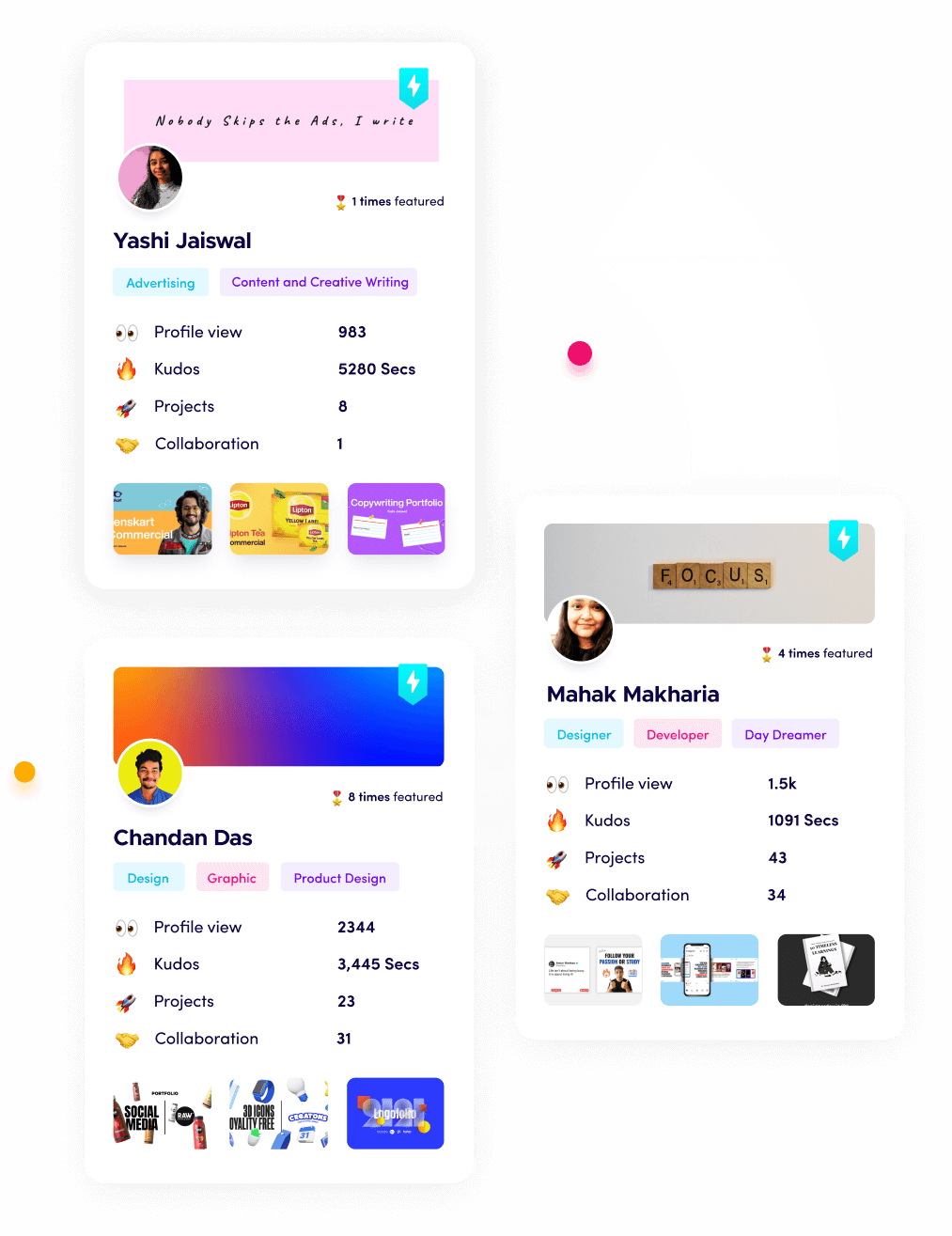
I’m Riten, founder of Fueler, a skills-first portfolio platform building the career infrastructure for 100 million creative professionals. Fueler connects talented individuals with companies through assignments, portfolios, and projects, not just resumes or CVs. Think of it as Dribbble/Behance for work samples combined with AngelList for hiring infrastructure.
In this article, I’ve curated the most valuable free courses to master AI prompt engineering, one of the most in-demand freelance skills right now. But here’s the catch: simply learning prompting isn’t enough. You need to show what you can do. Your portfolio isn’t just a list of skills; it’s your proof of work, your trust builder, and your shortcut to landing real freelance clients. Fueler helps you turn your AI experiments into portfolio-ready case studies that speak louder than words.
1. Learn Prompting – ChatGPT for Everyone
Description:
A beginner-friendly, self-paced course (about 1 hour) teaching ChatGPT basics, prompt crafting, prompt structure, and best practices. No sign-up required; just start learning.
Features:
Step-by-step ChatGPT prompt walkthrough
Live examples with explanations
Focuses on composition and refinement
Interactive quizzes and exercises
Why it matters:
Great way to start quickly: clients often want polished, correctly structured prompts. Adds practical foundation to your freelance profile.
2. Prompt Engineering for ChatGPT – Vanderbilt University (Coursera)
Description:
A full Coursera course (9 hours) covering prompt patterns, evaluation methods, chaining strategies, and real-world prompt applications. Free to audit; you only pay if you need a certificate.
Features:
Zero-, one-, and few-shot prompting techniques
Pattern-based prompt design
Prompt evaluation & debugging methods
Real-world exercises & peer discussion
Why it matters:
When you audit, you get polished content from a university, a great credential & learning without paying. Shows clients you're trained in formal approaches.
3. Prompt Engineering Techniques – Azure OpenAI (Microsoft Learn)
Description:
Microsoft’s guide covers how to construct, optimize, and evaluate prompts specifically for Azure OpenAI. Includes API usage details and best practices.
Features:
API-focused prompt guidelines
Examples for chat and completion APIs
Performance optimization tips
Best practices for clarity and control
Why it matters:
Many clients need Azure-friendly prompt engineers; this shows you know both prompting and cloud integration simultaneously, adding enterprise value.
4. ChatGPT Prompt Engineering for Developers – DeepLearning.AI
Description:
A practical 2-hour Coursera project taught by Andrew Ng and Isa Fulford (from OpenAI). Learn to build prompts with APIs, chain prompts, and construct a simple chatbot, all hands-on in a Jupyter notebook. Free to access as a project.
Features:
Guided Jupyter-based workflow
Uses OpenAI APIs directly
Covers prompt chaining & error handling
Builds a chatbot from start to finish
Why it matters:
Proposal-worthy demo clients get excited by live proof. You’ll show not just theory, but application, which drives credibility.
5. Prompt Engineering Essentials – Google (Coursera Specialization Audit)
Description:
A 4-course Google specialization that teaches prompt clarity, chain-of-thought, formatting techniques, and practical use cases. Audit the series for free; course content is fully unlocked.
Features:
Multi-course structure for layers of mastery
Teaches formatting, reasoning, and utility prompts
Covers both generative and analytical prompting
Uses examples from Google’s Gemini tools
Why it matters:
Google-branded training adds industry weight. This structured series prepares you with layered knowledge that looks impressive in portfolios.
Final Thought
Prompt engineering is more than asking questions; it’s about crafting reliable, efficient AI interactions that clients pay for. These 5 courses give you a mix of theory, practical workflows, and platform-specific skills. Use them to build real prompt templates, demo projects (like a chatbot or summarization tool), and upload them to Fueler. With earned badges and tangible work, you'll be the prompt engineer clients are eager to hire.
FAQs
1. Can I complete these courses for free?
Yes, Coursera courses can be audited at no cost, and Learn Prompting provides free access to interactive modules.
2. How do I show certificates without paying?
Add screenshots of completed modules or project outputs to your Fueler profile; you show depth and skill, not just badges.
3. Which course should beginners start with?
Start with Learn Prompting, then do the Vanderbilt course for structured theory. Add depth with Google’s specialization.
4. Does a Microsoft Learn certificate help?
Yes, it signals enterprise readiness and cloud-integrated prompt skills, valuable for business-tier freelancing.
5. How do I land prompt-engineering clients?
Build and upload demo prompt templates or bots. Pitch small projects like automating text summarization or content generation with real examples.
Why 150,000+ professionals use Fueler
Fueler helps professionals showcase proof of work through projects, assignments, case studies, and achievements.
Thousands of professionals use Fueler to create their digital portfolio
Thousands of projects are published on Fueler. Check here
Startups and Companies hire through proof of work on Fueler
Used by freelancers, creators, marketers, video editors, writers, designers, and product managers
Our mission is to help the next 100 million professionals build a verified professional identity through proof of work